
Job seekers across every career stage face the same question: certifications vs experience — which one actually matters more to employers?
As hiring becomes increasingly skills-focused and technology-driven, understanding how employers evaluate credentials has never been more important. Do employers care about certifications enough to overlook limited experience? Or does real-world performance still dominate hiring decisions?
The truth is more nuanced. The value of professional certifications and hands-on experience changes depending on the role, industry, and career stage. In today’s hiring environment, the smartest candidates understand how both work together.
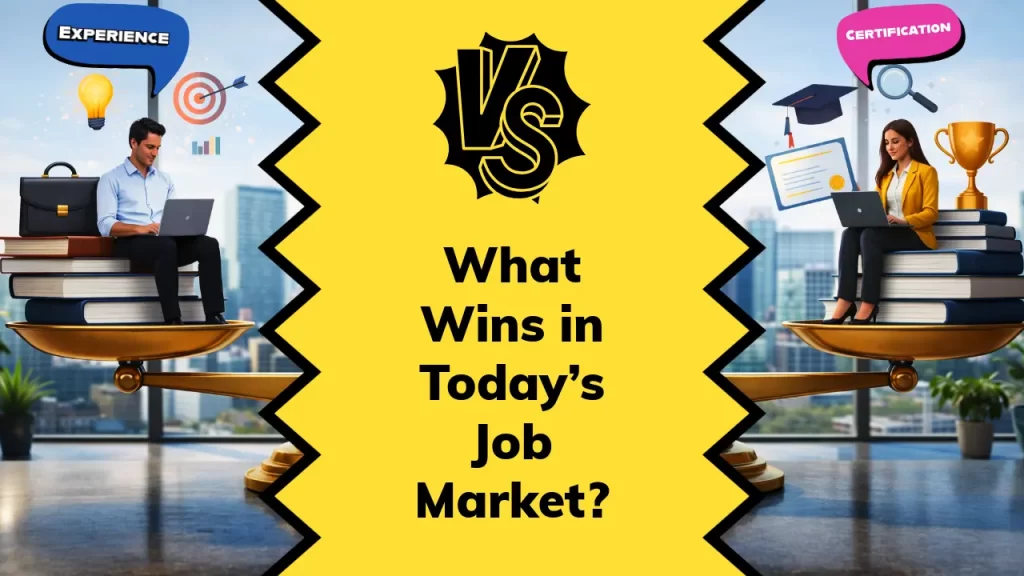
In this guide, we explore how employers think, why experience still holds weight, where certifications provide real advantages, and how combining both creates a stronger professional profile.
What Employers Actually Look For
When it comes to experience vs certification hiring, most employers no longer treat them as opposing choices. Instead, they assess candidates through a portfolio lens — looking at how credentials, skills, and practical achievements align with job requirements.
Modern hiring processes often rely on structured evaluations and skills validation tools to quickly screen candidates. Certifications and standardized assessments help recruiters compare applicants efficiently, especially in early hiring stages.
Recent research shows that a growing number of employers view non-degree certificates as meaningful indicators of job readiness — particularly in fast-moving industries like technology, healthcare, and skilled trades.
However, certifications alone are rarely enough. Employers want evidence that candidates can apply their knowledge to solve real problems. In other words:
Certifications signal potential. Experience demonstrates proof.
Why Experience Still Holds Strong Influence
Importance of Experience in Hiring
Despite the rise of certifications, practical experience remains a major hiring factor.
Experience shows how candidates perform under real-world conditions — dealing with deadlines, collaboration challenges, and business outcomes. Hiring managers consistently look for evidence that a candidate can:
- Solve problems under pressure
- Collaborate effectively within teams
- Deliver measurable results

For mid- and senior-level roles, experience often carries greater weight because it provides context. A resume with project outcomes, leadership examples, or measurable achievements tells a clearer story than credentials alone.
This is why many employers still prioritize candidates who demonstrate impact — not just knowledge.
How Certifications Help — Especially Early in a Career
Do Employers Care About Certifications?
Yes — particularly for entry-level professionals, career changers, and highly technical roles.
Certifications act as third-party validation of skills. They help employers quickly confirm that candidates understand industry standards or technical concepts, even when work experience is limited.
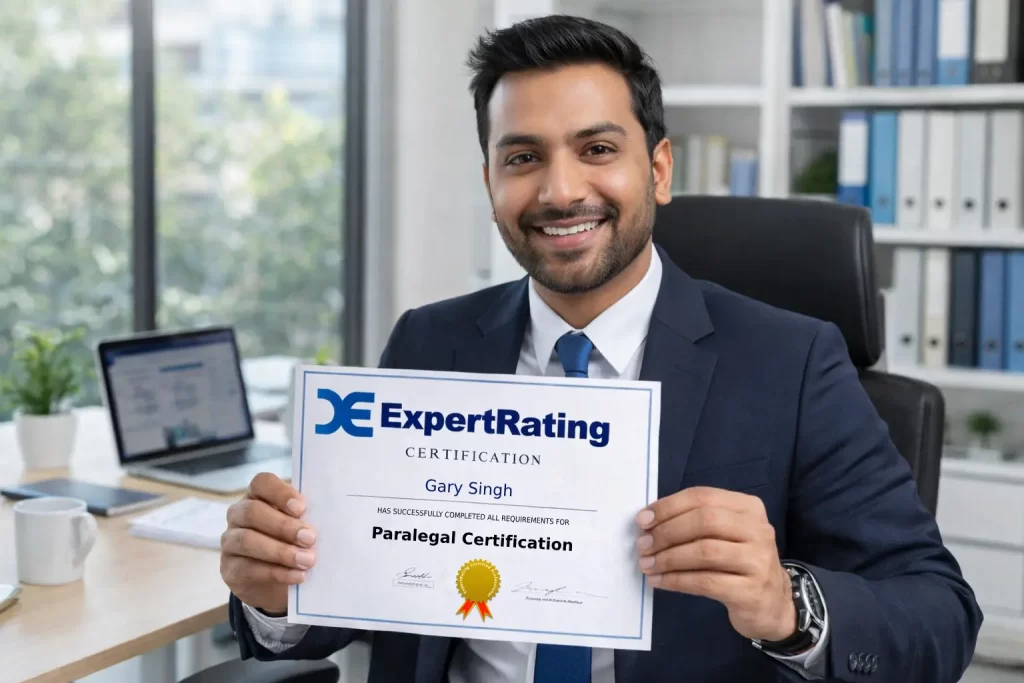
For early-career professionals, certifications can:
- Demonstrate commitment to learning
- Reduce perceived hiring risk
- Improve visibility during resume screening
- Bridge experience gaps
In highly competitive fields like cloud computing, cybersecurity, data analytics, or project management, certifications often serve as a “foot in the door” that leads to interviews.
The key is relevance. Employers value certifications when they align directly with job requirements and real business needs.
Certification + Experience: The Ideal Combination
How Certifications Help ATS and Recruiter Search
Today’s hiring process involves both humans and algorithms. Applicant Tracking Systems (ATS) frequently scan resumes for specific skills and certification keywords before a recruiter ever sees them.

When candidates combine relevant certifications with real-world experience, they gain several advantages:
- Improved ATS ranking
- Stronger recruiter search visibility
- Higher chance of interview selection
Experience shows results. Certifications validate knowledge. Together, they create a balanced profile that appeals to both automated systems and hiring managers.
For example, listing a project management certification becomes far more powerful when paired with measurable outcomes from actual projects.
Role-Specific Hiring Priorities
Employer Perception of Certifications
The balance between certification and experience depends heavily on the role.
Entry-level roles
Certifications often help candidates stand out when experience is limited. They show focused learning and initiative.
Mid- to senior-level roles
Experience takes priority. Employers expect proven results, leadership ability, and domain expertise. Certifications enhance credibility but rarely replace experience.
Industry differences
- Technology & cloud: Certifications are highly respected and often required.
- Healthcare & project management: Role-specific credentials carry strong value.
- Marketing & operations: Portfolios and real outcomes usually matter more than certificates alone.
Ultimately, employers evaluate whether certifications support — rather than substitute — real capability.
How to Present Certifications Without Overselling
Best Way to Present Certifications on a Resume
Even strong certifications can lose impact if presented poorly. To maximize their value:
1. Position them strategically
Place relevant certifications near the top of your resume so recruiters and ATS tools immediately notice them.
2. Connect them to achievements
Instead of listing credentials alone, show how you applied them. Example:
AWS Certified Solutions Architect — supported infrastructure optimization that reduced costs by 20%.
3. Use role-aligned keywords
Match certification names and skills to the language used in job descriptions.
4. Prioritize relevance
Too many unrelated certifications can dilute your message. Focus on those aligned with your target role.
What Today’s Hiring Trends Show
Employer behavior is shifting toward skills-based hiring — but not away from experience.
Hiring managers increasingly look for candidates who can apply knowledge immediately. Certifications add credibility, but practical results remain the strongest signal of long-term performance.
A simple way to understand the trend:
Certifications validate. Experience proves.
Candidates who combine both typically stand out in competitive markets.
Conclusion: What Actually Wins?
In the debate of certifications vs experience, there isn’t a single winner.
Experience shows capability in action. Certifications demonstrate commitment and verified skills. Together, they build credibility, improve visibility, and increase hiring confidence.
For professionals entering the workforce, certifications can accelerate access to opportunities. For experienced professionals, they reinforce expertise and keep skills current.
The strongest strategy for 2026 and beyond is clear:
➡️ Align relevant professional certifications with real-world achievements so employers see both validated knowledge and measurable impact.